
Who We Are
Community Health Information and Communication Network (CHICONET) is a Community Based Organization (C.B.O.) located in the heart of the Kibra slums, Ayany in Nairobi County, Kenya. The CBO was founded in February 2012 and was formally registered on 29th February 2014 as a Community Based Organization, under serial number 273.It is a legally constituted C.B.O that has continued to operate under the corresponding laws and regulations, supervised by the Ministry of Gender, Sports, Social and Cultural Laws of the Government of Kenya.
Chiconet at its inception Started its operations focusing on people with disabilities.
In 2024, seeing the pressing need in the community, we decided to change our focus to the most un-catered for group in the community which is the Boy-child.
The Boy-child, especially in the slums are a neglected lot and ill-equipped to deal with the present life conditions and is ill equipped to peacefully co-exist with the girl who have been empowered and continue to be empowered whereas the boy-child is totally neglected. This is one of the causes of conflict and unrest in the society. Changing focus will thus add value in addressing the already pressing need and will in turn lead to a more equitable and peaceful global society
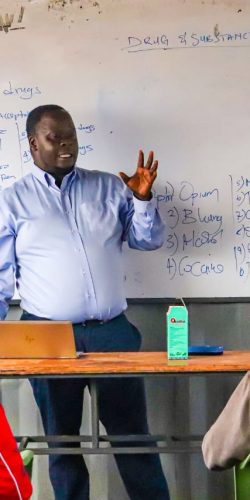
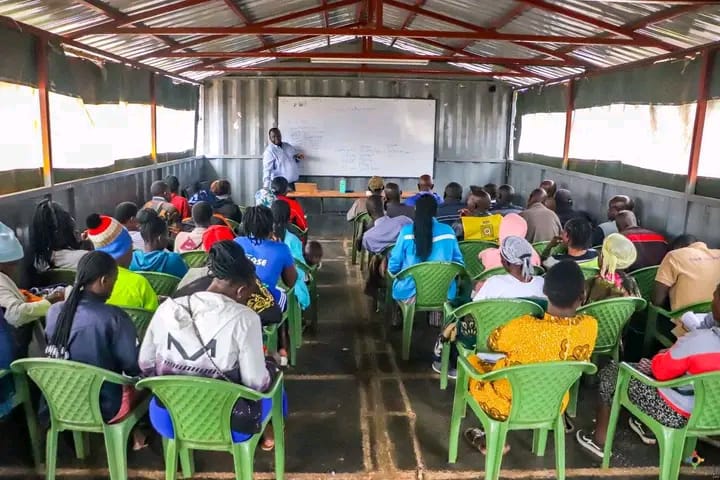
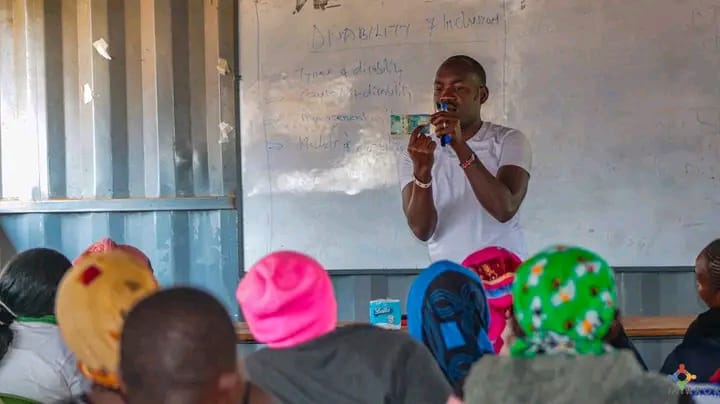
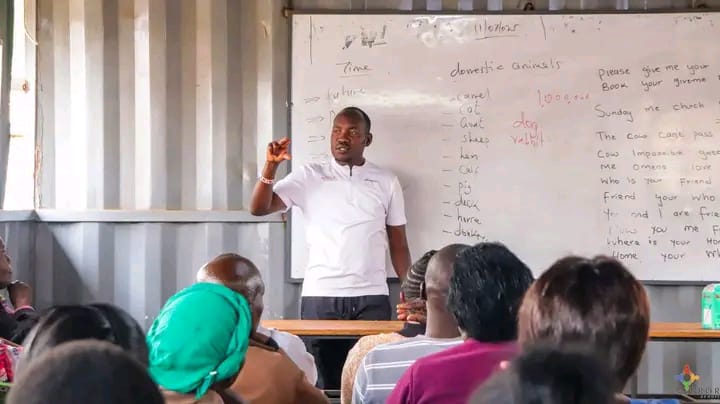
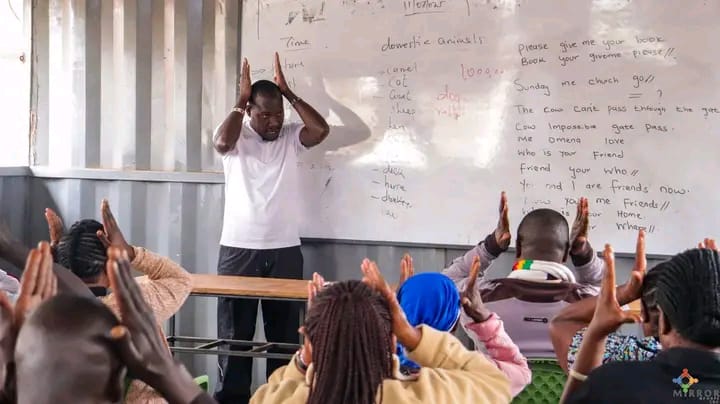
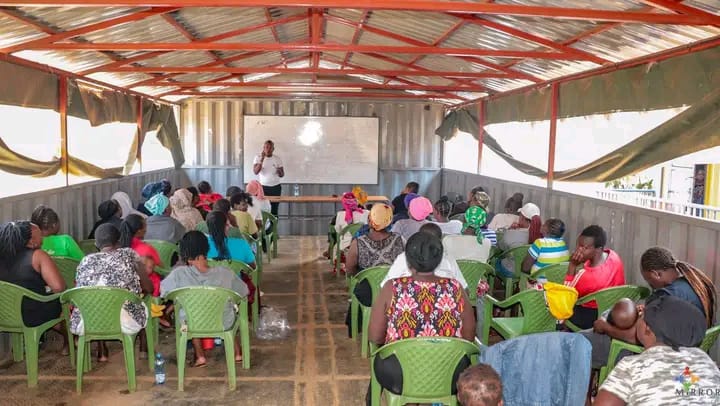
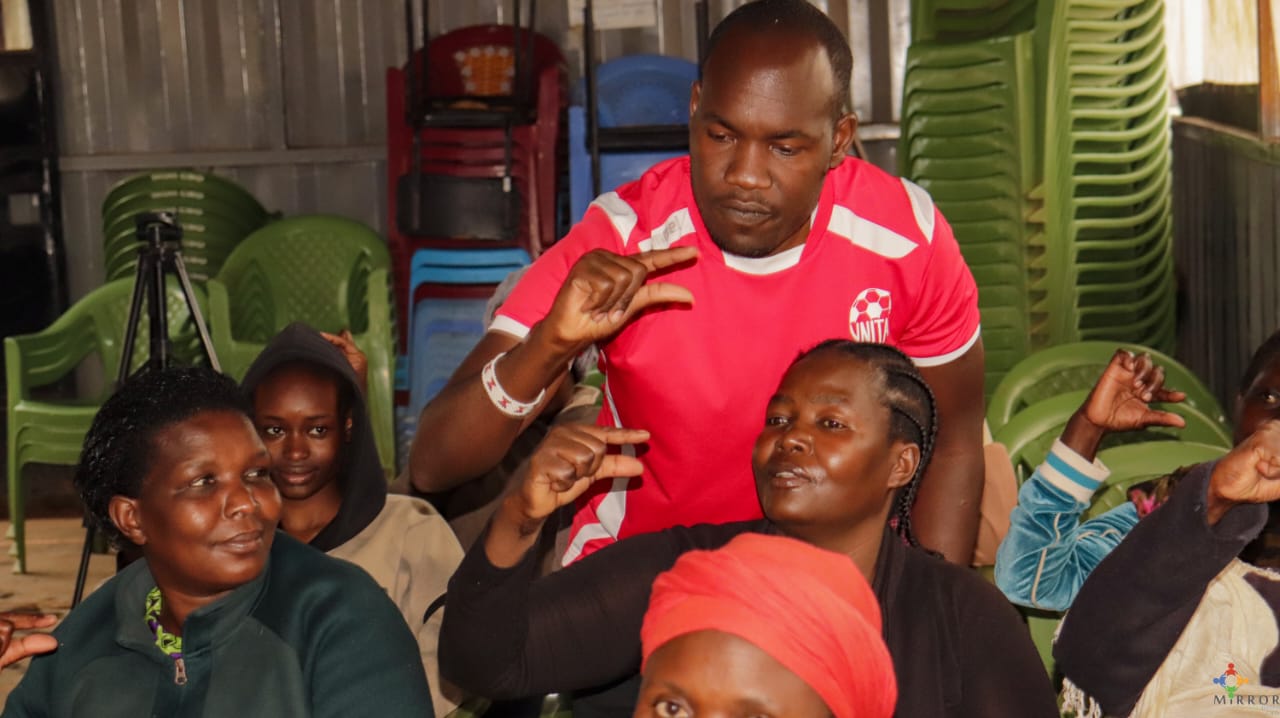
What We Do
01.
— Breaking the Cycle of Poverty
Boys in slums often grow up in environments where education and economic opportunities are limited. Empowering them through education, skills training, and mentorship provides a path out of poverty. By equipping them with tools for success, we not only uplift the individual but also contribute to the broader social and economic development of the community.
02.
— Addressing Gender Norms and Toxic Masculinity
In many areas especially the slums, traditional gender roles and notions of masculinity can lead to harmful behaviors such as aggression, substance abuse, and/or early involvement in crime. Boychild empowerment involves redefining masculinity by promoting values of respect, empathy, and healthy emotional expression. Boys should be encouraged to reject stereotypes and embrace diverse forms of masculinity, showing them that strength can be found in kindness, education, and resilience.
03.
—Fostering Leadership and Responsibility
Providing leadership opportunities for young boys can help them develop a sense of responsibility and pride in their communities. Initiatives like youth programs, community service projects, and peer mentoring can foster leadership skills, instilling a sense of duty and the understanding that they can make a positive impact on their surroundings.
04.
— Access to Education and Skill Development
Education is one of the most powerful tools for breaking the chains of poverty. For many boys especially in slums, access to quality education remains a challenge. Empowerment efforts should prioritize removing barriers to education, such as financial constraints, lack of school infrastructure, and societal attitudes that undervalue the importance of education. Vocational training programs can also be invaluable, teaching boys practical skills that can lead to employment and entrepreneurship opportunities.
05.
— Mental Health and Emotional Well-Being
The pressures of life can take a significant toll on the mental and emotional well-being of boys. Often, young men are expected to suppress their emotions or face immense social pressure to conform to stereotypical roles of toughness and emotional detachment. Empowering boys involves addressing their mental health needs through counseling, peer support groups, and open discussions about emotions and well-being. By normalizing the expression of feelings, we help them develop healthy coping mechanisms and build resilience in the face of adversity.
06.
—Combating Violence and Crime
Young boys may be drawn into gangs or criminal activity due to a lack of alternatives. Boychild empowerment initiatives should focus on providing boys with safe spaces, positive role models, and opportunities for recreation and growth. By channeling their energy into productive activities such as sports, arts, or entrepreneurship, boys are less likely to fall into the trap of violence and crime.
07.
— Family and Community Support
The role of family and community in boychild empowerment cannot be overstated. It’s essential to create an environment where boys feel supported by their families and peers. This support system can be cultivated through community-based programs that involve parents, caregivers, and local leaders in creating safe, nurturing environments for boys to grow and succeed.
Impact Stories
Building Confidence, Building Futures – James’ Transformation
Before joining CHICONET, James lacked confidence and struggled to communicate. Although he wanted to succeed, he didn’t believe in his abilities. Through the entrepreneurship and life skills training, he developed communication, teamwork, and problem-solving skills. Today, he confidently interacts with clients, completes jobs independently, and has become a role model among his peers.
From Lost to Leading – Daniel’s Story
Daniel dropped out of school at sixteen, convinced that education had nothing left to offer him. With little structure at home and no clear direction, he drifted into drug use and spent most of his days on the streets. What began as an escape quickly became a cycle he couldn’t break—his confidence eroded, relationships strained, and his sense of purpose disappeared.
Everything began to shift when a CHICONET outreach mentor met Daniel during a community visit. Instead of judgment, he was met with patience, consistency, and someone who believed he could do more with his life. Daniel was invited to join mentorship sessions and the steady guidance and support helped him rebuild discipline and self-worth.
Partners